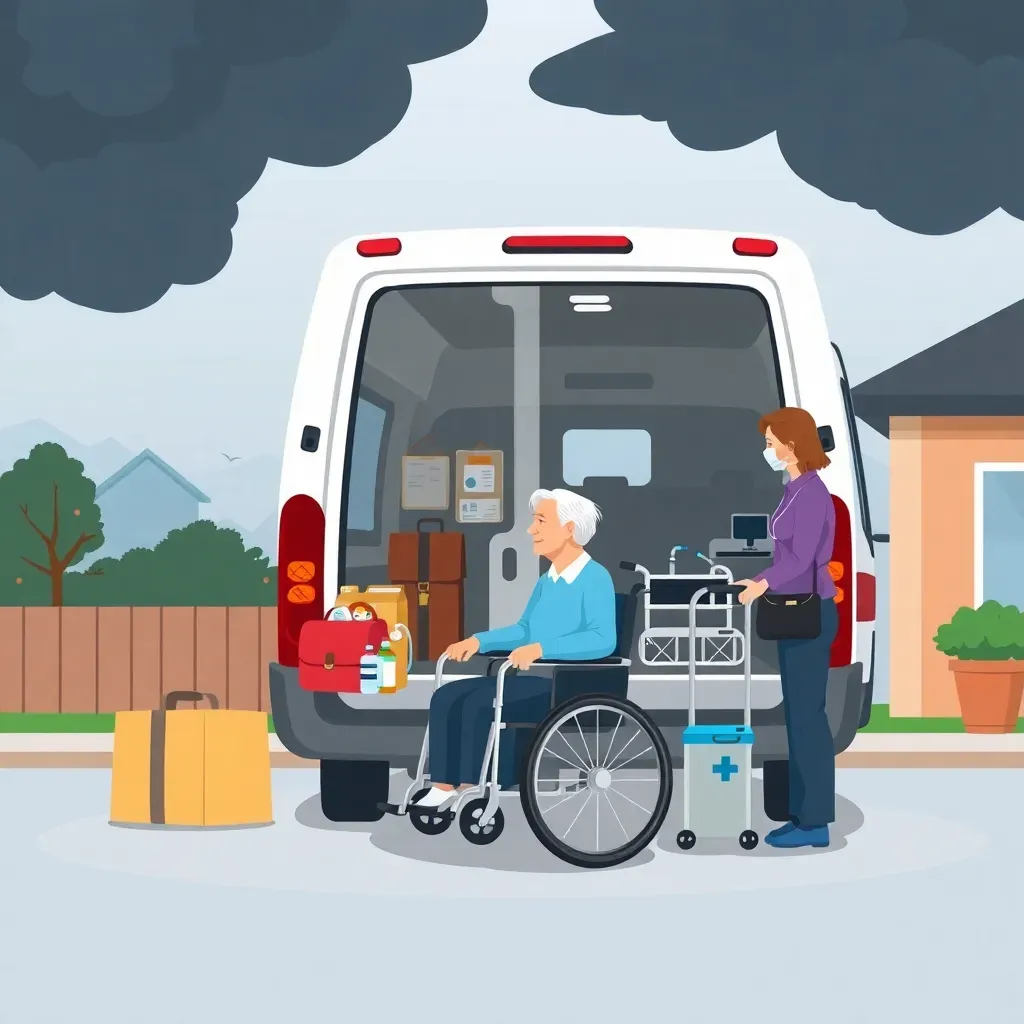
Hurricane season in Central Florida can create transportation challenges for people who depend on regular medical appointments, dialysis treatments, rehabilitation, and other healthcare services.
Road closures, flooding, power outages, and changes to medical facility operations can affect how patients get to their appointments.
For older adults, wheelchair users, and people with ongoing medical needs, preparing a transportation plan before severe weather arrives is an important part of emergency preparedness.
Why Medical Transportation Planning Matters During Hurricane Season
Severe weather can interrupt normal transportation arrangements and access to healthcare facilities.
Patients who depend on recurring treatments should work with their healthcare providers to develop a plan for possible interruptions.
1. Contact Your Medical Provider Before Severe Weather
When a tropical storm or hurricane may affect Central Florida, contact your healthcare facility to ask about its emergency procedures.
- Will the facility remain open during severe weather?
- Could appointment times change?
- Is there an alternate location for treatment?
- Who should patients contact if the facility closes?
- What should patients do if transportation becomes unavailable?
2. Review Your Medical Transportation Arrangements
If you regularly use non-emergency medical transportation, contact your transportation provider before severe weather is expected.
Ask about the provider's severe-weather cancellation procedures, operating limitations, and communication methods.
Important: A scheduled medical transportation service should not be treated as a guaranteed emergency evacuation resource.
3. Prepare a Backup Transportation Plan
- A family member or trusted caregiver who can provide transportation
- An alternate transportation provider, subject to availability
- Instructions from the medical facility about rescheduled treatment
- County emergency management resources for qualifying residents
Never travel through flooded roads or disregard evacuation orders to reach an appointment.
4. Consider Florida's Special Needs Registry
Florida maintains a Special Needs Registry to help local emergency management agencies plan for residents who may require additional assistance during disasters.
Registration is voluntary and does not guarantee shelter placement, transportation, or emergency assistance.
5. Prepare Medical Information and Essential Supplies
Suggested Medical Preparedness Checklist
- Current medication list and prescribing physician information
- Emergency contact numbers
- Medical facility contact information
- Health insurance information
- Instructions for essential medical equipment
- Backup power arrangements for equipment that requires electricity
- Necessary mobility equipment and supplies
- Important documents stored in a waterproof container
6. Plan for Wheelchair and Mobility Requirements
- Wheelchair accessibility at the pickup location
- Accessible transportation arrangements
- Portable ramps or other mobility equipment
- Power wheelchair charging requirements
- Assistance needed to enter or exit a vehicle
- Accessibility at the intended destination or shelter
7. Keep Emergency Contacts Accessible
- Primary healthcare provider
- Dialysis or treatment center
- Transportation provider
- Health insurance transportation administrator
- Family members and caregivers
- County emergency management office
For immediate medical emergencies, call 911.
8. Follow Official Weather and Emergency Instructions
Patients and caregivers should monitor official forecasts, evacuation notices, and local emergency announcements.
Medical Transportation Planning in Central Florida
Preparing early can help patients and caregivers identify transportation challenges before severe weather arrives.
Visit our transportation services page, submit a transportation inquiry, or contact Leyland Transport.
Remember: Non-emergency medical transportation is not a substitute for emergency medical services or an official evacuation program.