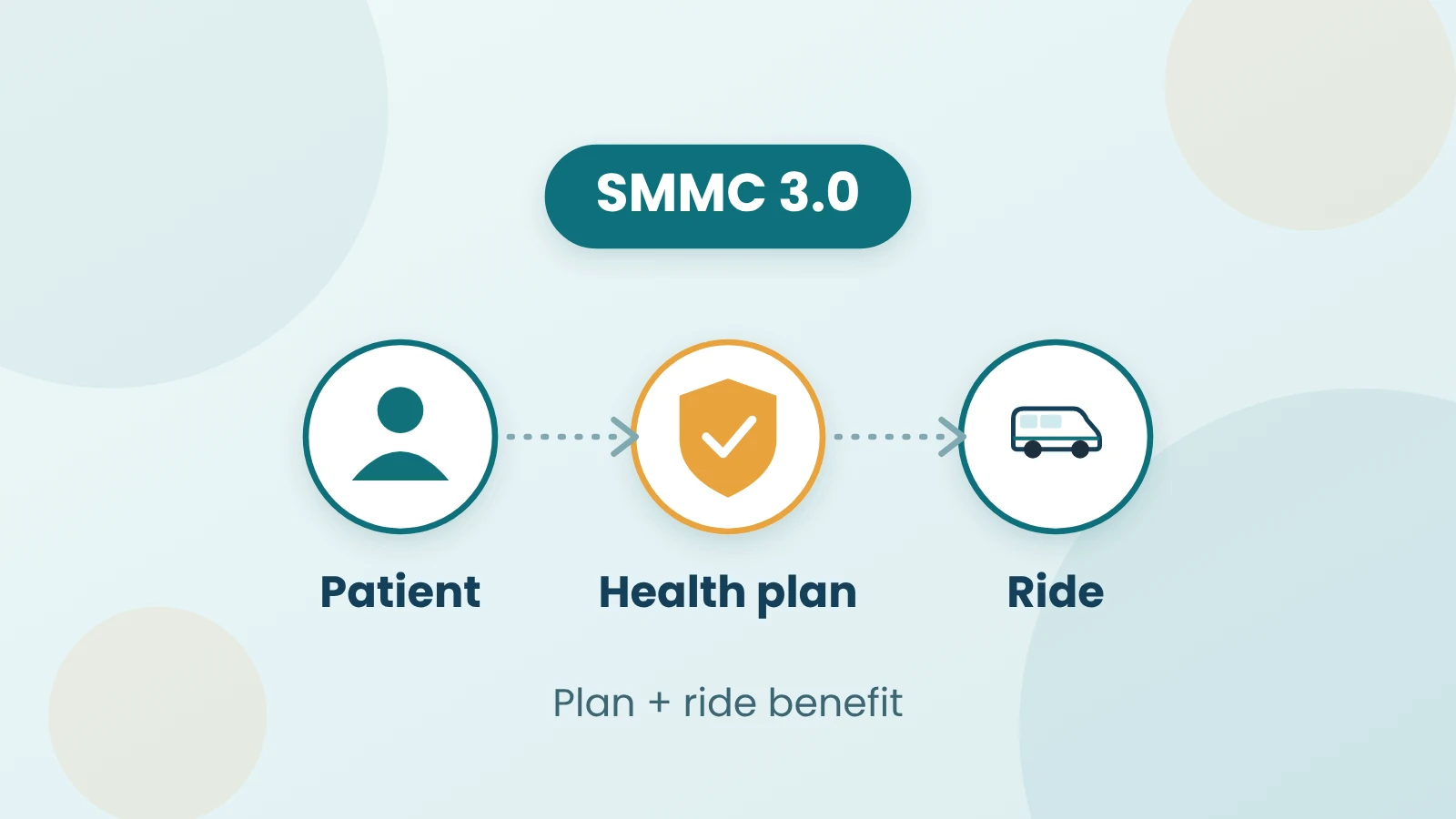
Florida Medicaid has made significant changes to its Statewide Medicaid Managed Care program. For Central Florida patients who rely on non-emergency medical transportation, understanding those changes can help make planning for medical appointments easier.
Florida's Agency for Health Care Administration, commonly called AHCA, implemented the new Statewide Medicaid Managed Care 3.0 program on February 1, 2025. The program introduced new managed-care contracts, regions and plan structures.
What Is Florida Medicaid SMMC 3.0?
Statewide Medicaid Managed Care, or SMMC, is the system Florida uses to provide Medicaid services to most recipients through managed-care plans.
According to AHCA, SMMC includes the Managed Medical Assistance program, Long-Term Care program and Dental Program.
SMMC 3.0 represents the latest version of that system and includes changes intended to improve coordination and quality of care.
Why Does This Matter for Medical Transportation?
Non-emergency medical transportation, often called NEMT, helps eligible Medicaid recipients reach Medicaid-covered healthcare services when they cannot obtain transportation through other available means.
Florida's Medicaid State Plan says oversight of non-emergency transportation for recipients enrolled in managed care is delegated to their managed-care plans. Transportation generally requires approval through the appropriate managed-care plan or contracted transportation administrator.
This means patients should not assume that a transportation arrangement used previously will automatically work with their current Medicaid plan.
Check Your Medicaid Plan Before Scheduling Transportation
If you rely on Medicaid transportation, it is a good idea to verify your current plan before an upcoming appointment.
Patients and caregivers should consider checking:
- Which Florida Medicaid managed-care plan currently covers the patient
- How that plan arranges non-emergency transportation
- Whether transportation requires advance authorization
- How far in advance a ride should be requested
- Whether wheelchair-accessible transportation is required
- Whether an escort or caregiver will accompany the passenger
The patient's Medicaid plan should be the primary source for questions about transportation benefits, eligibility and authorization.
Transportation Must Match the Passenger's Needs
Florida Medicaid recognizes multiple forms of non-emergency transportation. The appropriate transportation depends on the recipient's eligibility, authorization and mobility needs.
When arranging a ride, passengers should accurately describe any mobility requirements. This can include use of a wheelchair or other mobility device and accessibility concerns at the pickup or destination.
Providing this information in advance helps the transportation coordinator determine the appropriate transportation arrangement.
Do Not Wait Until the Appointment Day
Transportation problems can result in missed or delayed medical appointments. Whenever possible, patients and caregivers should confirm transportation arrangements before the appointment date.
Have These Details Ready
- Patient's current Medicaid plan information
- Appointment date and time
- Pickup address
- Healthcare facility name and address
- Mobility or wheelchair requirements
- Reliable contact telephone number
- Information about an accompanying caregiver or passenger
It is also useful to keep the transportation confirmation information provided when the trip is scheduled.
What If Medicaid Transportation Is Not Available?
Medicaid coverage and private-pay transportation are not the same thing. A patient may choose to arrange transportation privately when a particular trip is not covered or when the passenger prefers to make independent transportation arrangements.
Leyland Transport does not represent that a privately arranged trip will be reimbursed by Florida Medicaid. Patients should verify coverage and authorization directly with their Medicaid managed-care plan before relying on Medicaid to pay for transportation.
Planning Medical Transportation in Central Florida
Changes in insurance or managed-care plans are a good reason to review transportation arrangements before the next medical appointment. Confirming the patient's current plan, transportation authorization and accessibility requirements in advance can reduce avoidable problems on appointment day.
Leyland Transport provides non-emergency transportation services in Central Florida. If you are arranging a private-pay trip, we can discuss the passenger's transportation and accessibility requirements before scheduling.
Learn more about Leyland Transport services, request transportation online, visit our Frequently Asked Questions, or contact Leyland Transport for additional information.